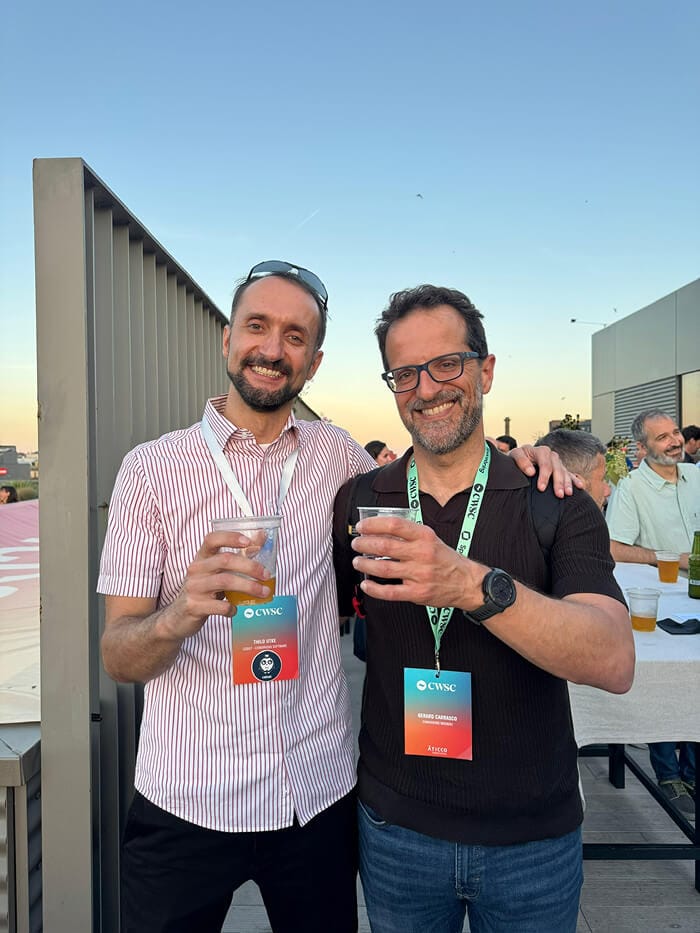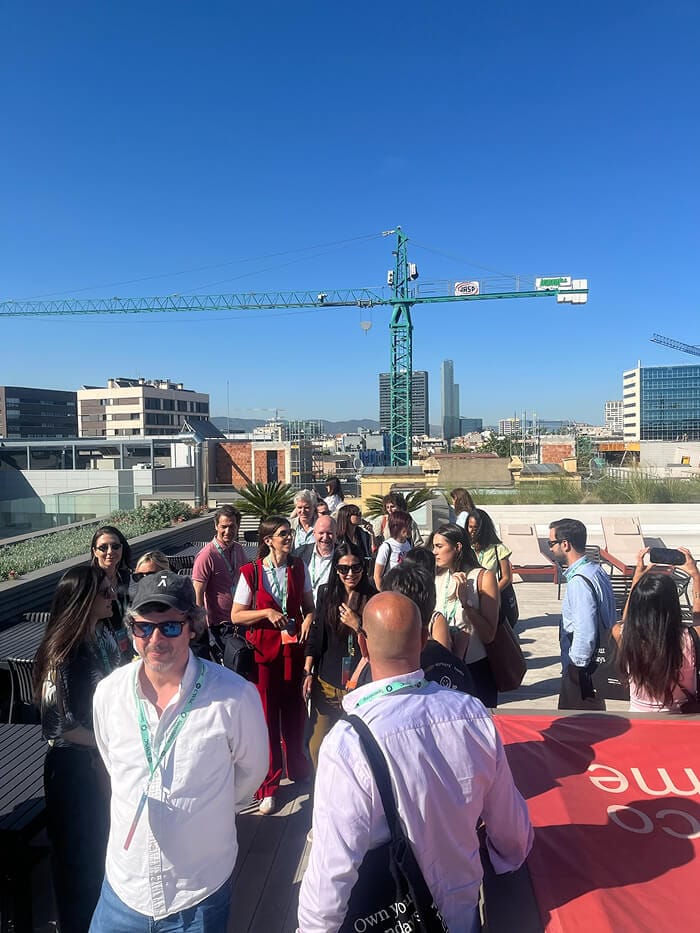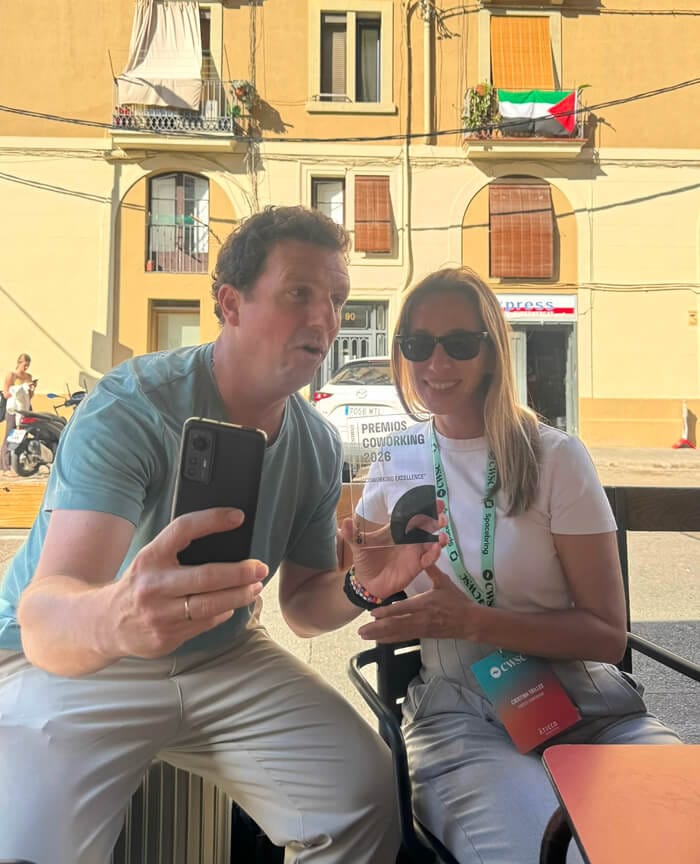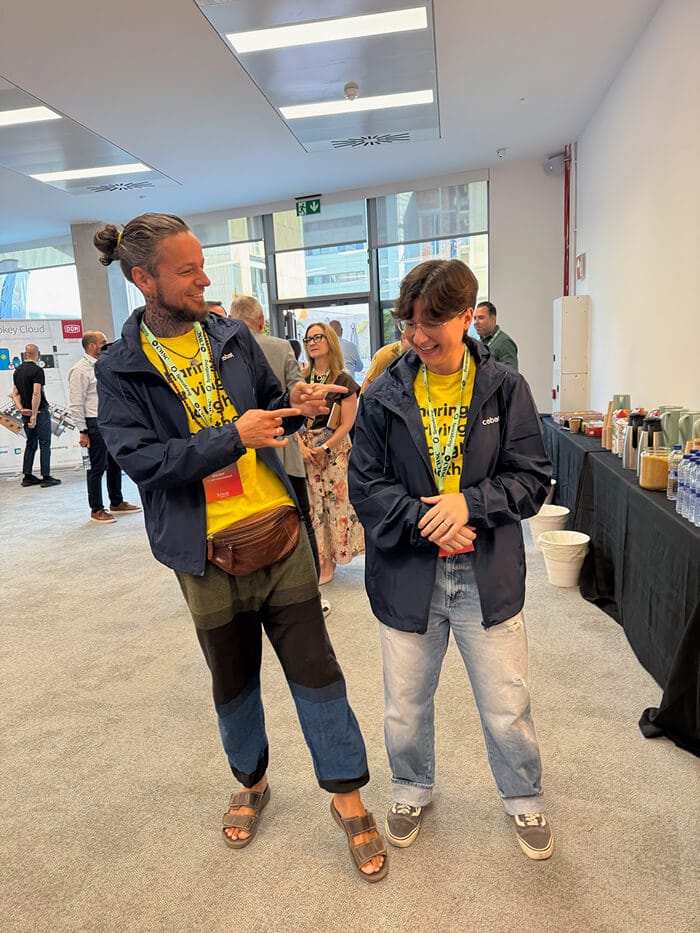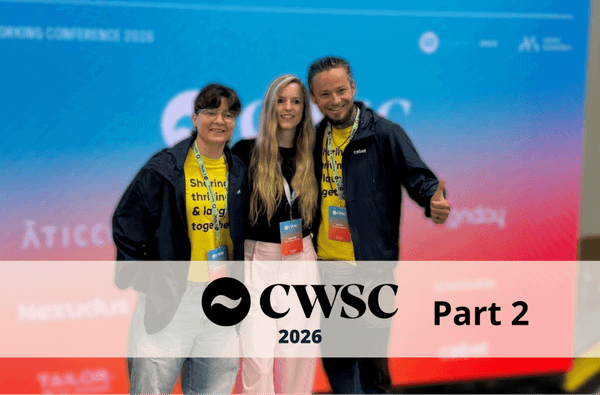
Hola! On May 26th, Thilo and Laura headed to Barcelona for one of our favorite events in the coworking calendar: the Coworking Spain Conference, which we’ve proudly sponsored for years now.
This year’s edition took place at Aticco Diagrame, now the largest single coworking location in Barcelona. Across two packed days, the program delivered practical, honest conversations from operators openly sharing what’s working, what isn’t, and where coworking in Spain is headed next.
One of the highlights for us was a small panel featuring operators from across Latin America. It brought a perspective that often gets left out of national conferences and turned into one of the conversations we kept thinking about afterward.
There was far more packed into the two days than we could possibly fit here, but these were some of our highlights.
Table of Contents
- The State of Coworking in Spain, by the Numbers
- The Realities of Running Coworking Spaces Across Latin America
- Occupancy Isn't the Metric You Think It Is
The State of Coworking in Spain, by the Numbers
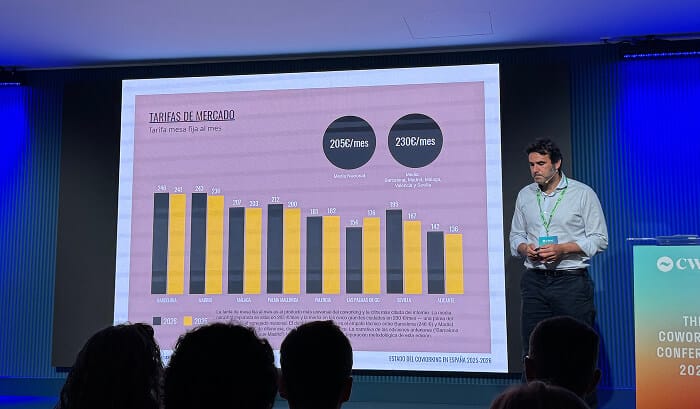
Manuel Zea, founder of Coworking Spain, opened with the data we look forward to every year: the 2025–2026 Estado del Coworking en España report.
Spain now has 1,069 active coworking spaces, and the Madrid–Barcelona axis alone holds about 68.7% of the national supply. Interestingly, coworking prices in the two cities now sit almost level: a fixed desk averages €246/month in Barcelona and €243 in Madrid, against a national average of €205/month.
For other cities, the average fixed desk rate looks like this:
- Alicante: €136/month
- Sevilla: €167/month
- Las Palmas: €176/month
- Málaga: €207/month
- Palma de Mallorca: €212/month
- Valencia: €181/month
If you're operating outside the major cities, you're not competing with Barcelona rates, and you don't need to. The opportunity is in knowing your local market and pricing with confidence.
A more telling shift compared to previous years was in the active vs. registered split. Registered spaces keep growing, but active spaces have dipped slightly. More spaces exist, fewer are operating.
It's a consolidation signal, not a collapse.;
The Realities of Running Coworking Spaces Across Latin America
The Coworking LATAM Special Panel brought a different kind of conversation. Moderated by Marc Navarro, it featured operators from Mexico, Argentina, and Ecuador sharing how coworking works when the economic and political ground shifts beneath you.
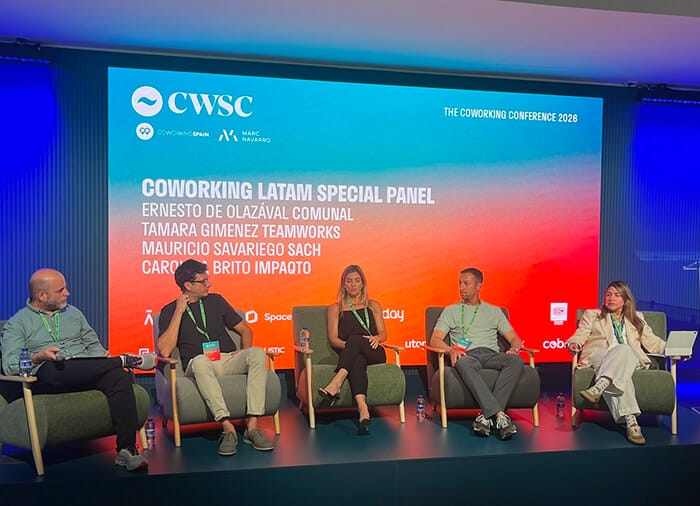
Mauricio Savariego, CEO of Sach Office Hosting, operates 27 centers across six cities in Mexico. In Latin America, he said, 25-year leases just aren't realistic. Seven years is more typical. European operators can afford to think long-term.
Tamara Gimenez from Teamworks in Argentina echoed this. Inflation has forced operators to review their prices regularly, sometimes monthly. The ability to stay flexible with landlords isn't a nice-to-have; it's a real advantage and central to keeping the business sustainable.
Carolina Brito, Partner and Co-CEO of IMPAQTO in Ecuador, added that local challenges can be entirely outside an operator's control. When Ecuador's electricity crisis hit and the lights literally went out, or when the drought came, running a coworking space called for a different kind of problem-solving.
When the talk turned to competing with the big networks, Tamara made the case for agility. A smaller structure responds faster, adapts to what members need, and negotiates with landlords in ways a large operator can't. Mauricio sees the same thing in how he runs Sach: across 27 locations, he doesn't copy and paste. Each space gets its own personality, shaped by the market it serves.
The panel made clear how different coworking realities can look from one market to another, from economic conditions to community expectations, and how much work it takes to keep these spaces and communities running in very different circumstances.
Behind every space are operators constantly balancing community, sustainability, and business realities, while still trying to create places people genuinely want to be part of.
Occupancy Isn't the Metric You Think It Is
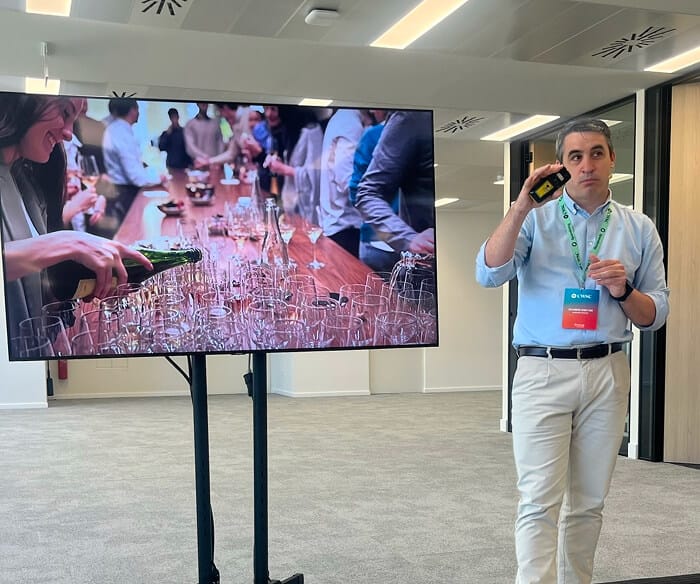
A full space isn't always a profitable one. That was the thread running through Hospitality Applied to Coworking, a session led by Alejandro Benet Edo, Director of Nomadom Cospaces. As the room debated discounting, Marc made the point plainly: being at 100% occupancy with heavy discounts is not the same as being at 100% occupancy.
"It's 1,000 times better to have a special occupancy of 40% but an economic occupancy of 100%,"
– Marc Navarro, Coworking Expert
Alejandro built on this with revenue management borrowed from hospitality: dynamic pricing based on available spots, better rates for longer commitments, and cheaper non-refundable options, the way airlines and hotels structure availability. Prices on his website always read "starting at," which leaves room to price flexibly, and every offer carries a 15-day validity window before conditions can change. He also makes a habit of forecasting when offices will free up, so a space coming empty in December is already planned for well in advance. It's the same idea we wrote about in our guide to marketing private offices before they sit empty: the operators who fill space fastest are the ones who see availability coming and act on it early.
The hospitality mindset went beyond pricing. Alejandro described the small things that make a space feel human rather than transactional: knowing members by name, standing up when someone walks in, and dropping the generic weekly events in favor of a proper Christmas party or summer gathering, which drew far better turnouts. "Cariño was missing," Alejandro said of his space before these changes. He used the Spanish word for warmth and affection that doesn't quite translate, but everyone in the room understood.
The highlights continue in part two
Two days went by faster than we expected, and a lot of that comes down to how well the whole thing was put together. Thank you to Manuel, Marc, Laura, and everyone at Coworking Spain.
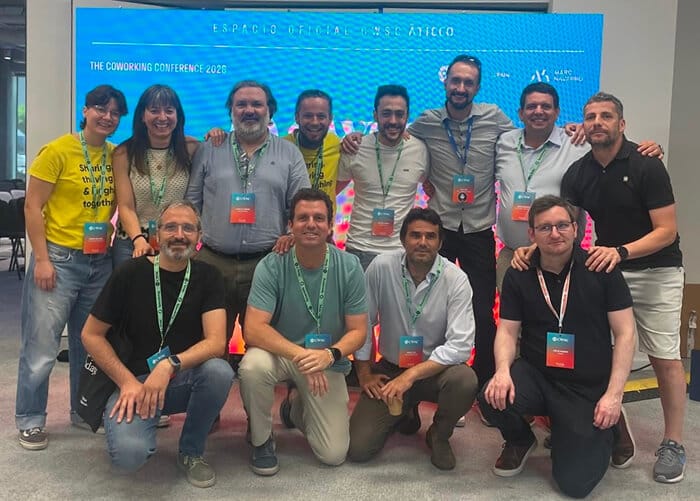
For us, the best part is always the people. Getting to see our community in person, catch up with customers, trade ideas, and talk shop with so many of the operators pouring their energy into this industry is exactly why we keep coming back.
These conversations also help us understand the people we build for, and that makes our work better.
We're only halfway through, though. In part two, we'll get into the sessions on growth and knowing when your space is ready for it, how AI is starting to reshape coworking marketing, what effective marketing actually looks like for operators, the always-popular fuckups session, and of course, this year's Spanish Coworking Awards.
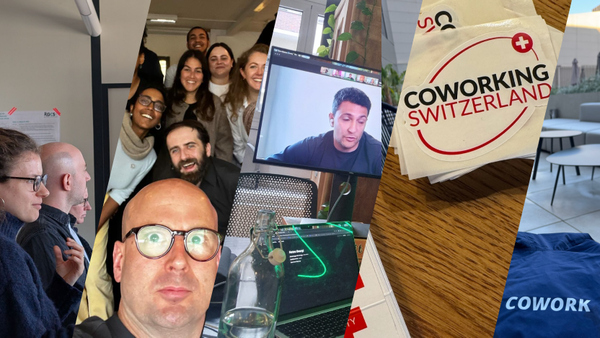
Some cute moments with the coworking community from the conference. 👇