This is Part 2 of our Coworking Canada Unconference 2026 recap.
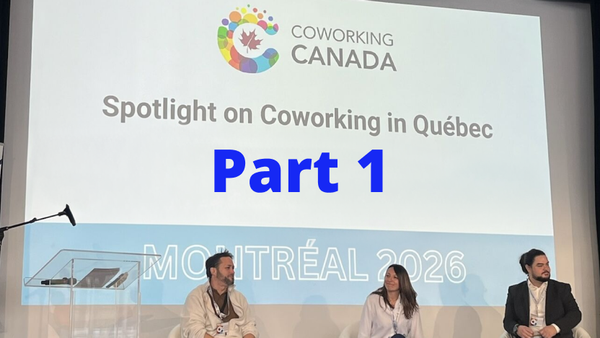
If you missed Part 1, we covered the Québec 🇨🇦 operator panel across three generations of coworking, Maria Kinoshita on the real work of coliving, Tawfiq Alla on what the research says about open-plan hybrid work, Greg Lindsay on serendipity and the role of coworking in a lonelier world, and Olesy Alekseev on what makes a space worth the commute.
In this edition, we are covering how operators are building resilience into their spaces, what Jerome Chang and Nancy Fornasiero shared about scaling without losing the brand, and the practical conversations from day two at Montréal CoWork on virtual office risks and effective sales strategies.
Justin Powers and Kayla Wofford-Nelson: resilience centers
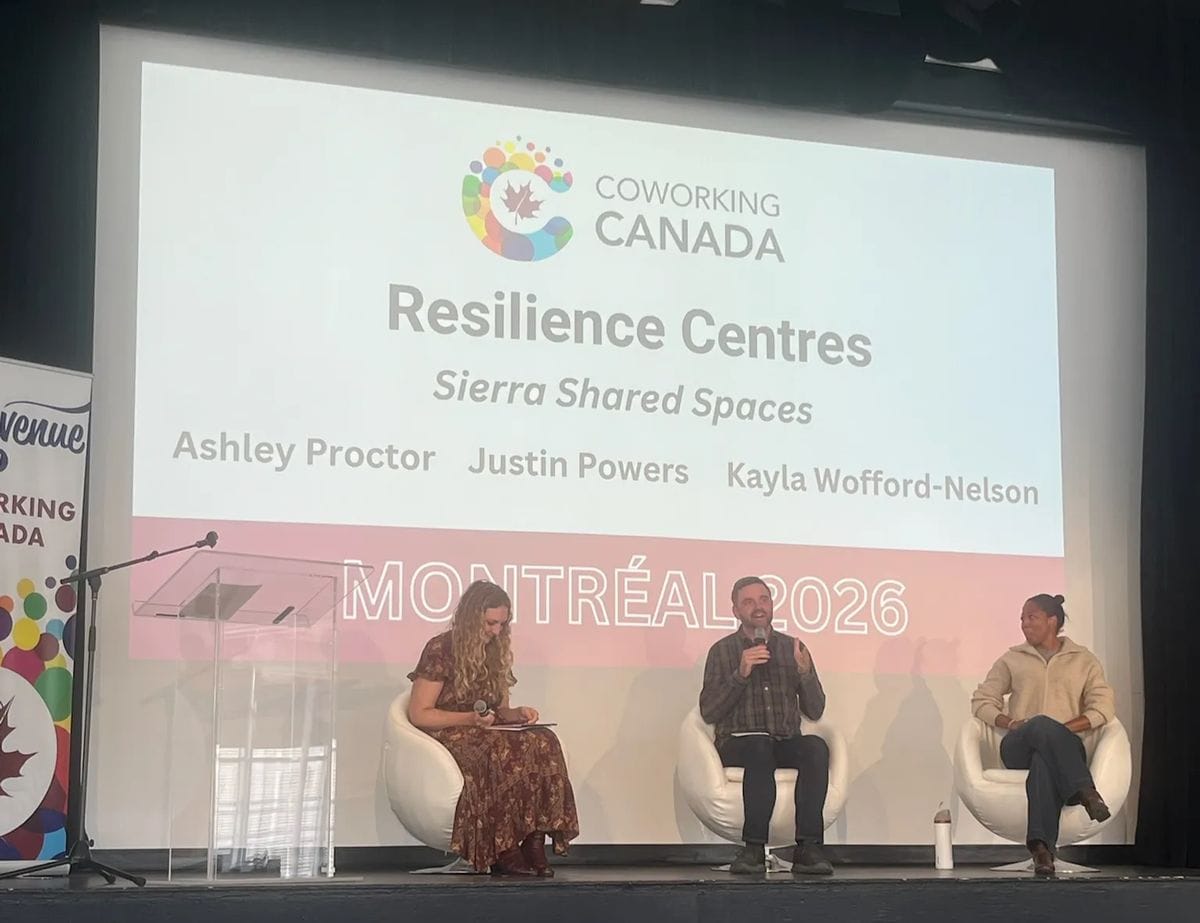
Justin Powers of Sierra Shared Spaces came to Montréal with a project rooted in the needs of his own community, joined by Kayla Wofford-Nelson, Sierra’s administrative coordinator. The Kern River Valley in California, where Justin grew up, has a median household income between $26,000 and $35,000 and a history of wildfires and disinvestment. The Lake Isabella Community Hub he is building is a coworking space, a community infrastructure project, and a disaster response hub at the same time.
In a fireside chat moderated by Ashley Proctor, Justin shared how they approached building with the community, not for it. Before planning the space, they met with more than 130 organizations to understand local needs. Ashley also shared a lesson on fundraising: starting bigger can sometimes be easier than starting small. “I said it’s going to be a hell of a lot harder to raise $10,000 than it is to raise $100,000 or a million dollars.”
Justin left operators with a question: “If something happened in your community, if your community was without resources, how could your space serve the community at that time?”
In rural areas especially, he added, coworking spaces often become the de facto economic development agency. When someone has an idea, the space can connect them with the people and resources they need to make it happen.
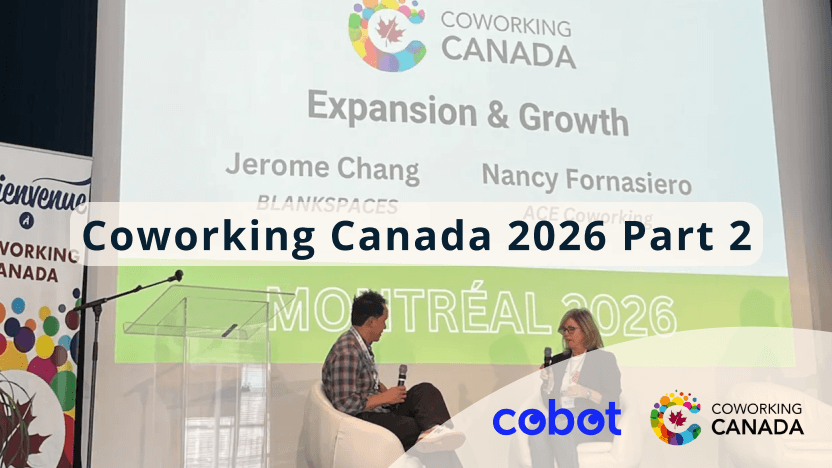
Jerome Chang and Nancy Fornasiero: how to grow without losing yourself
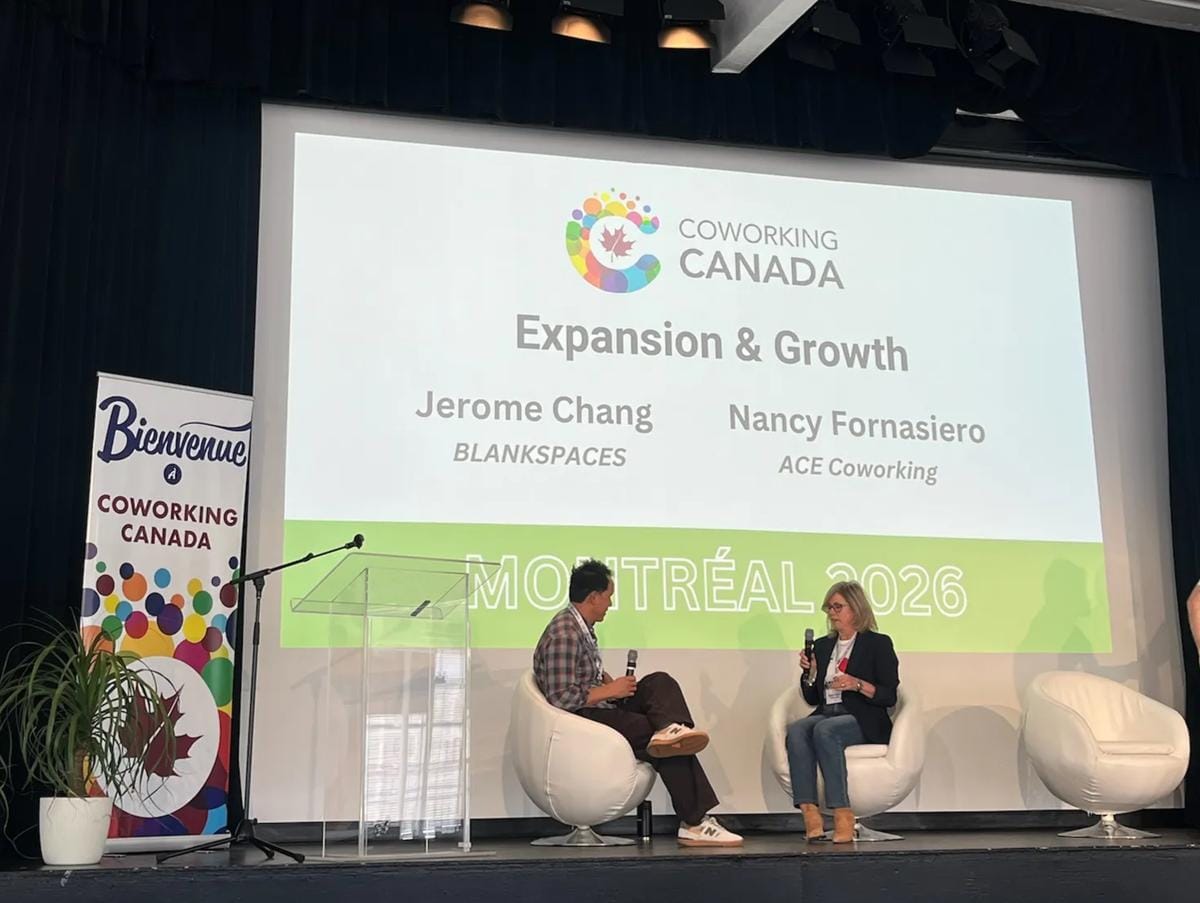
Jerome Chang founded BLANKSPACES in 2008, one of the oldest coworking spaces in the US. Nancy Fornasiero founded ACE Coworking in Oakville, Ontario, and has expanded three times. Together, they talked about scaling.
Jerome’s analogy for how members choose: “Coworking acts sort of like a gym chain or a grocery store. 99% of the time you will go to the one nearest to you. You will never go to the other one.” Convenience is a major factor in where people choose to work. When expanding to a second location, think about where there’s demand for coworking and whether the new space would make it easier for people in another area to access your services.
Nancy’s growth has been community-first. She ran meetups and engaged with local groups before opening her physical space, and she scaled by opening a second location nearby so the two could share staff, software, and resources. “I’ve never bought a paid ad. Everything is organic reach, and we are full.”
Both prefer licensing and management agreements over franchising, so brand quality stays protected. Both reconfigure layouts based on real demand. And both treat the aspirational side of coworking as part of what members are paying for. “The chair that you’re sitting in,” Jerome said, “you could never justify paying $800 for that chair. But I can afford it because we are sharing that amongst many members.”
Day 2 at Montréal CoWork: the unconference sessions
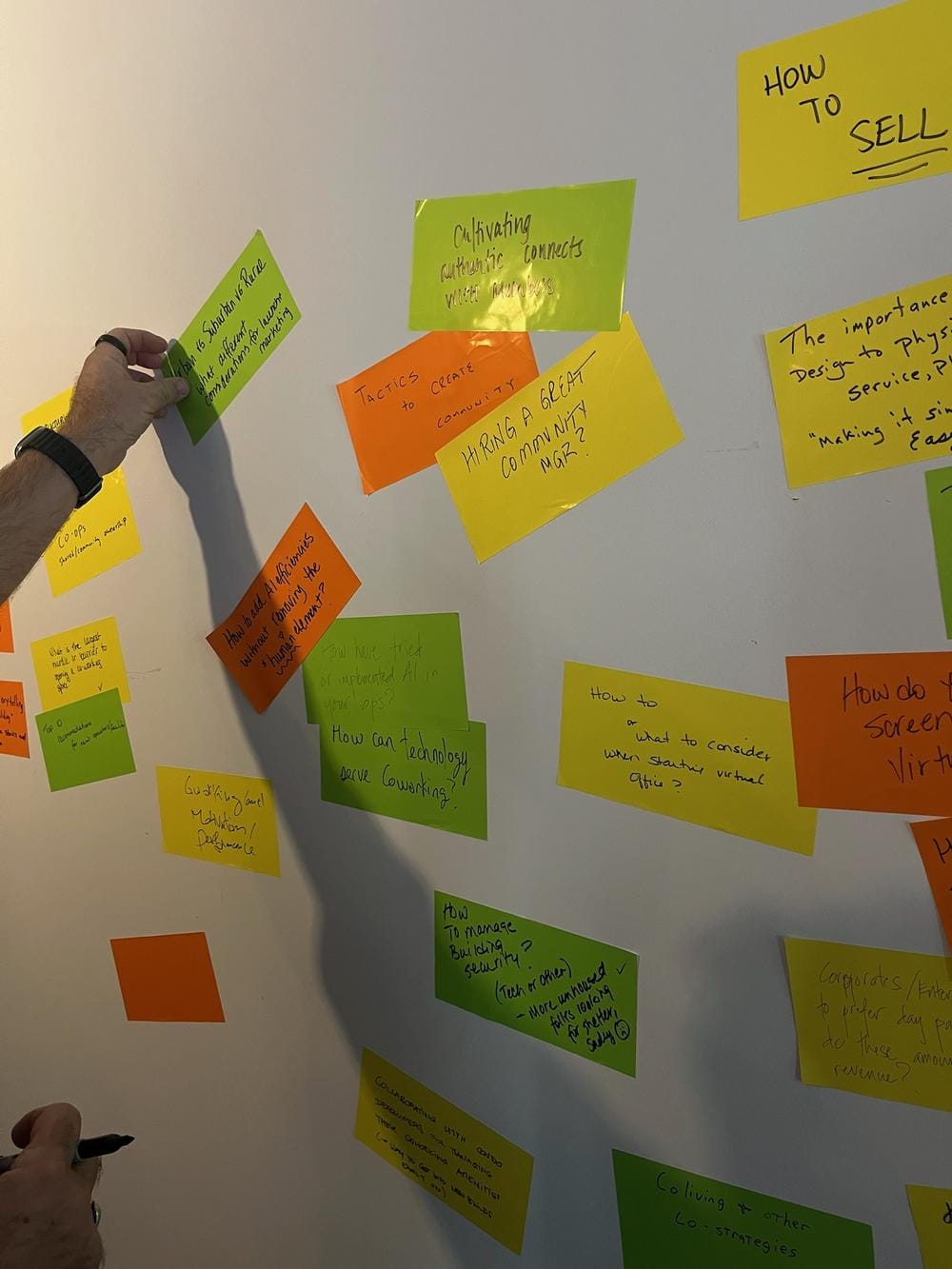
Day two moved to Montréal CoWork, where operators shaped the agenda themselves. Among the many valuable discussions, we’re taking a closer look at two topics that matter to coworking businesses everywhere: protecting the value of your business and finding new ways to grow it.
The virtual office conversation reframed a problem most operators do not think about until it costs them. Your business address has monetary value, and some people will use it without paying for it. US operators who offer mail services need to register as mail providers.
In Canada, the model is more flexible, which makes the risk higher: people sign up, register their business at your address, then cancel and keep using it. The group’s practical defense was straightforward. Check your address on Google Maps regularly, set minimum contract lengths, and check the public business registry to see which companies are listing your address. Treat it the way you would treat a desk: nobody uses it unless they are paying for it.
Growing the member base came up in a separate session, and the most useful tactics came from operators who had rebuilt their sales process around listening. One built a short quiz to ask prospects before any tour, so the tour answered specific questions instead of running through a generic script. Another dropped business cards at nearby cafés that discourage laptop workers, and now gets a steady flow of members that way. A third found day-office rentals were a strong fit for home-based business owners who did not want client meetings at the kitchen table.
The line from Francois Richard of ECTO closed the day: “People are used to working remotely. They don’t know anymore what works better when they’re in a space.” That gap is the opening, and operators who can show, not tell, are the ones filling it.
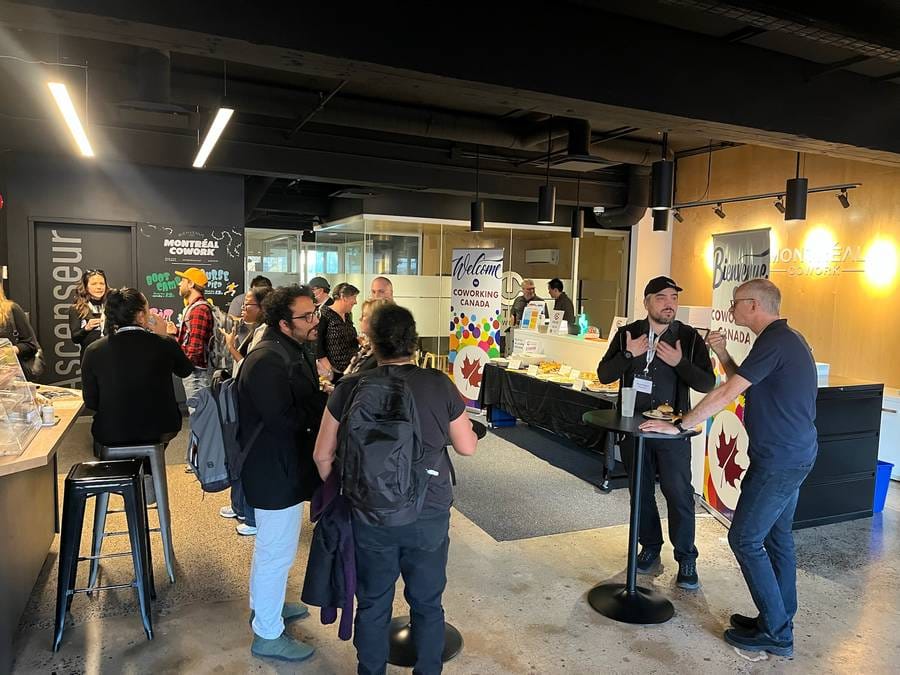
The unconference ended with tours of several coworking spaces, including host space Montréal CoWork, where we kept the conversations going and got a closer look at how the spaces operate.
We left Montréal with new connections, fresh perspectives, and plenty to take back to our work at Cobot. A big thank-you to Ashley Proctor and the Coworking Canada team, along with all the operators, speakers, and researchers who shared their experiences with us!
If you run a coworking space, Cobot takes care of bookings, memberships, and invoicing so you can focus on your community. Start your free 30-day trial with full access to all features and no credit card required.
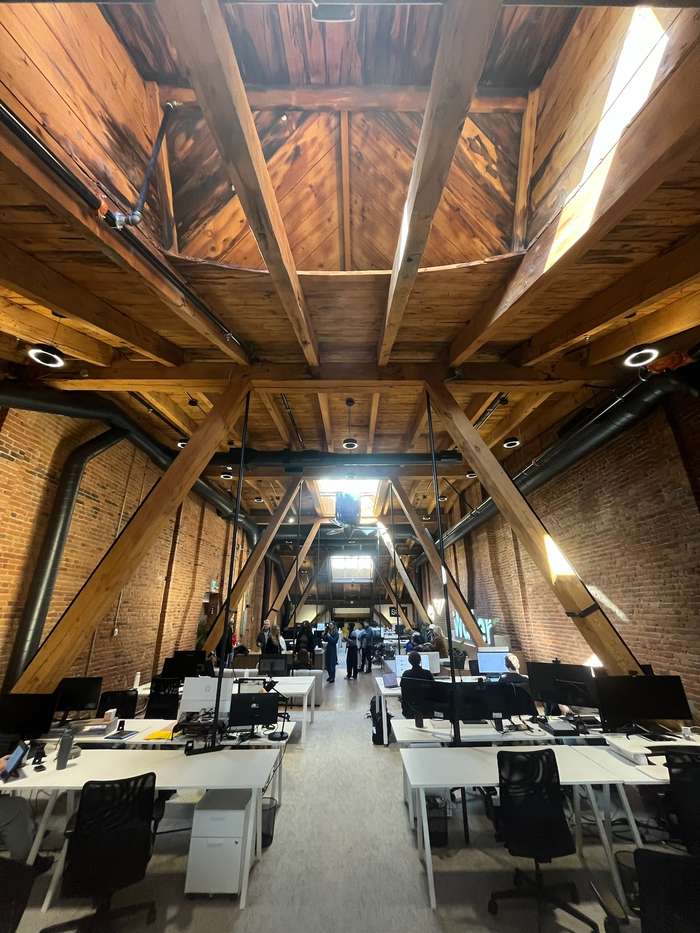
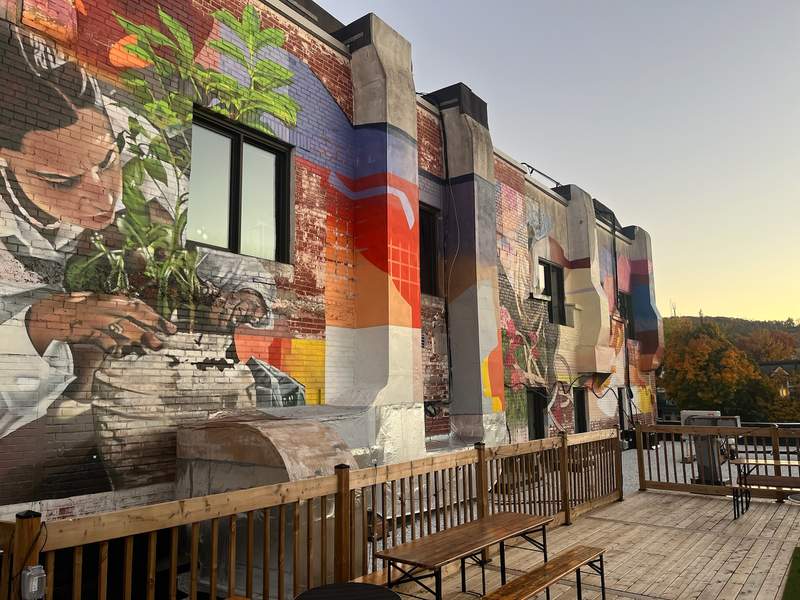
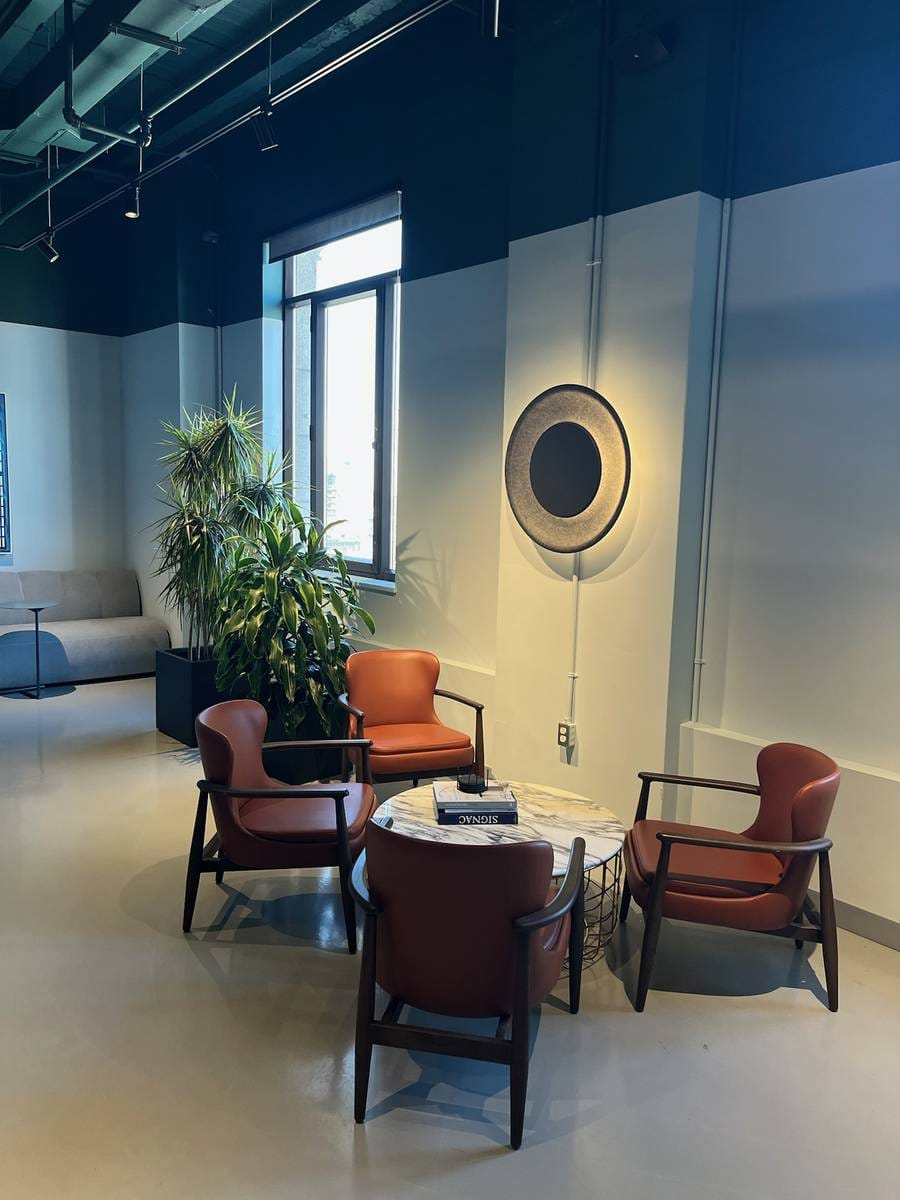
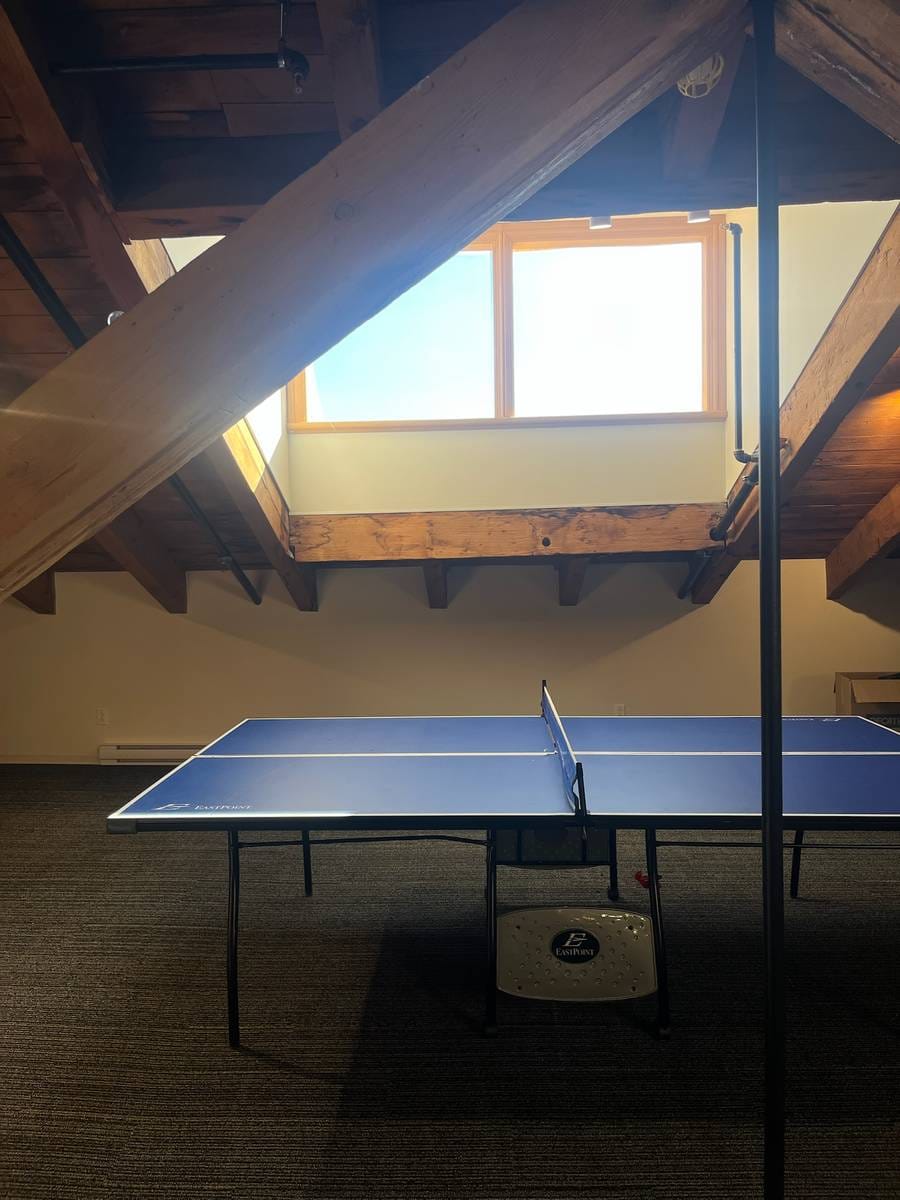
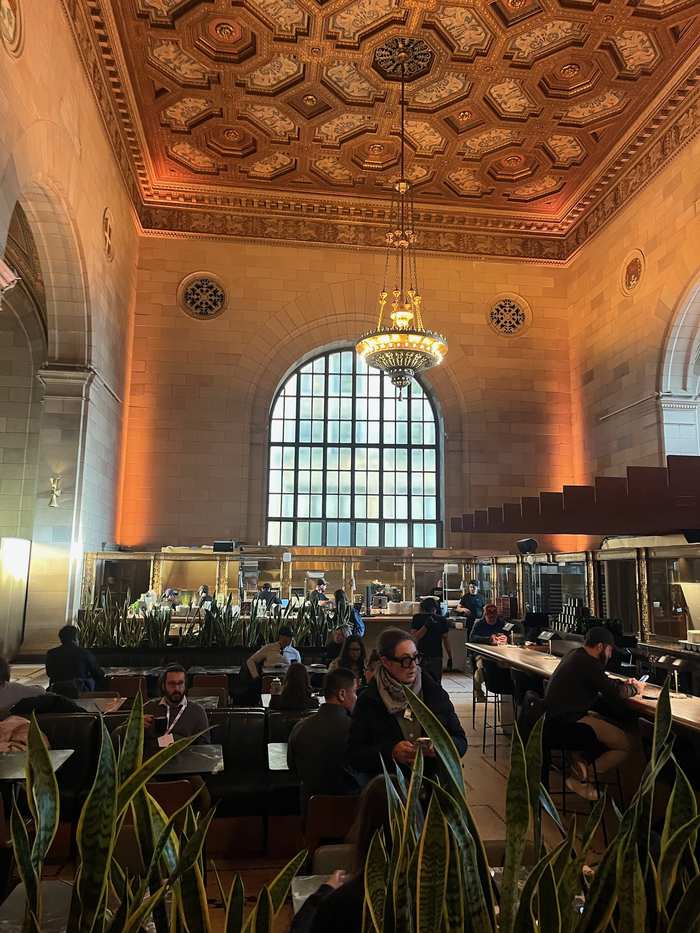
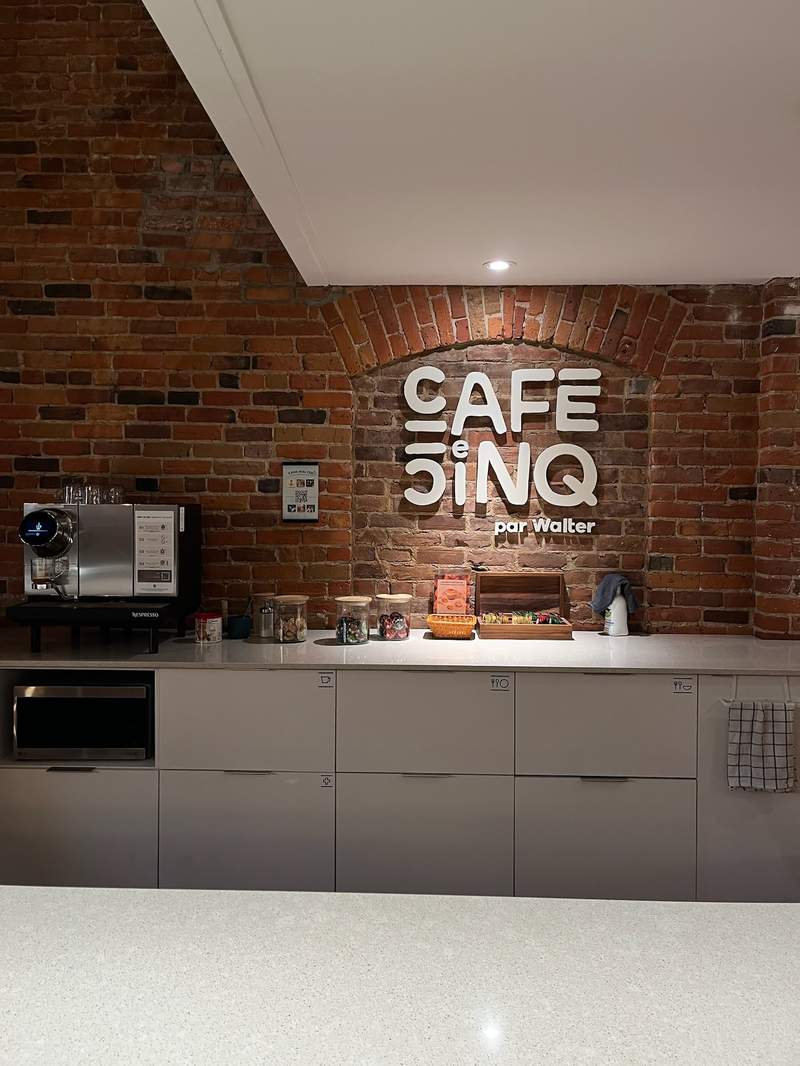
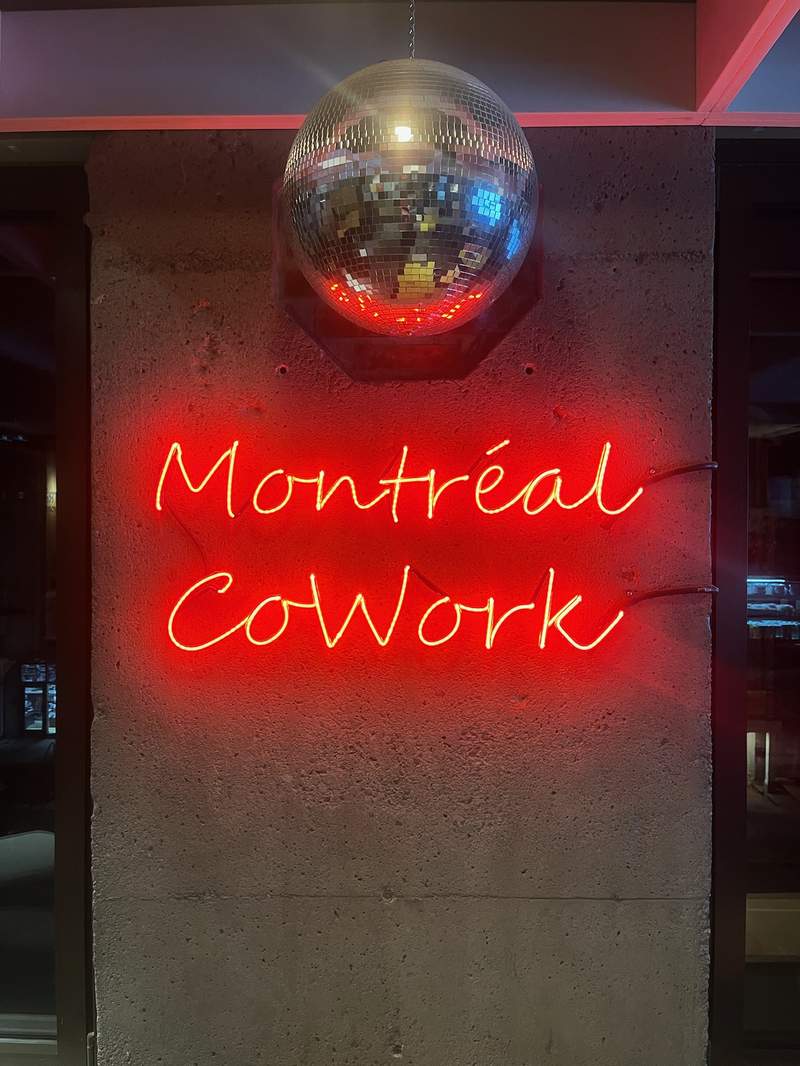
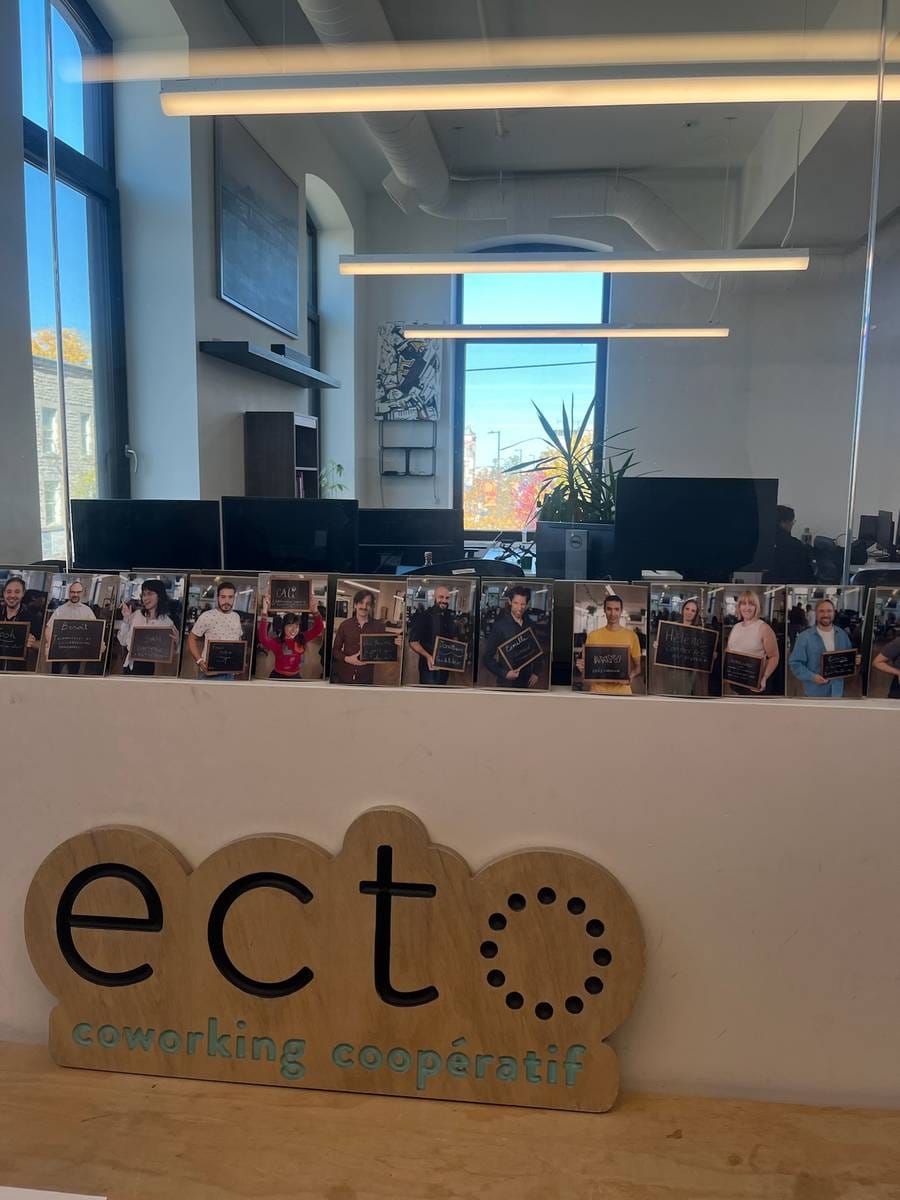
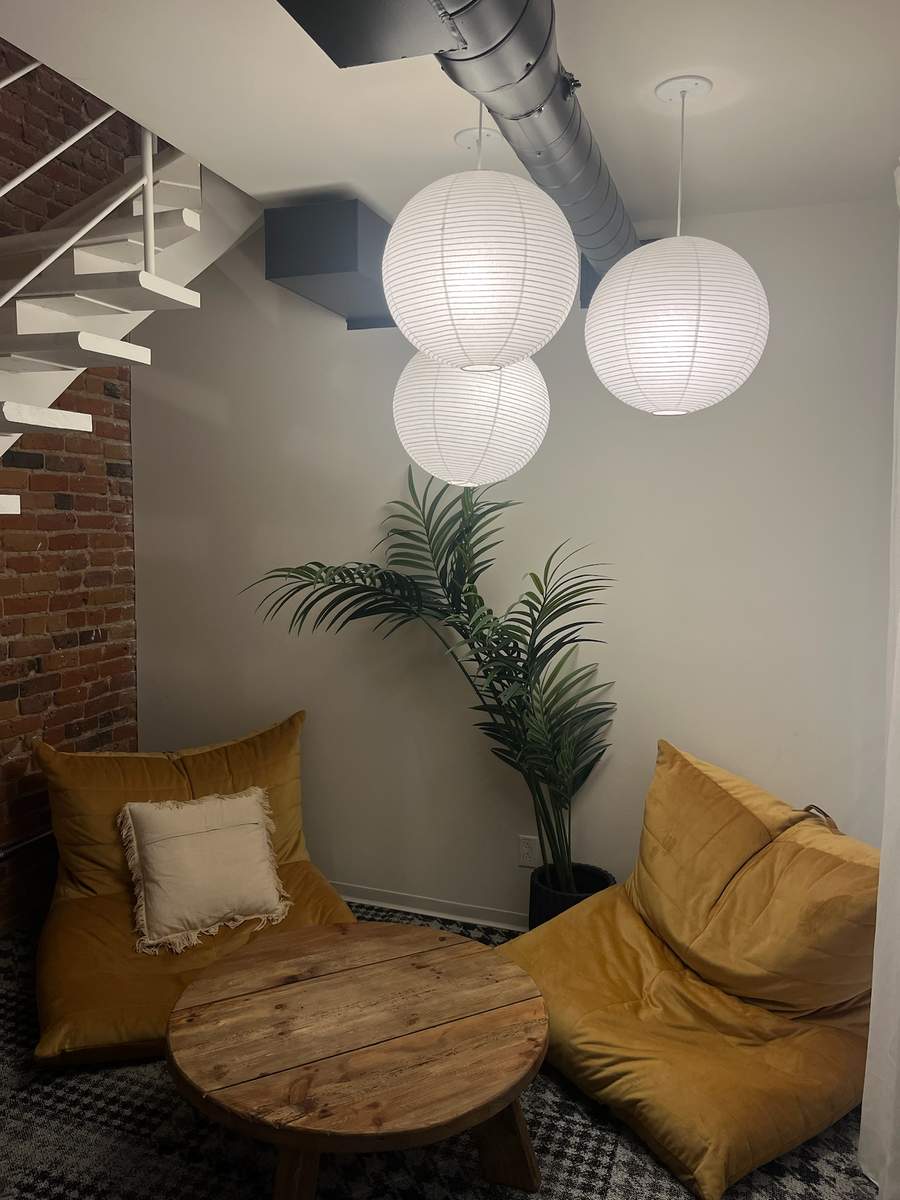
A look inside a few of the Montréal coworking spaces we toured during the Unconference.